Held from July 1–5 2024 , the program combined theoretical lessons with hands-on experiences at archaeological sites and museums. Throughout the week, participants engaged interactively with instructors, gaining substantial insights.
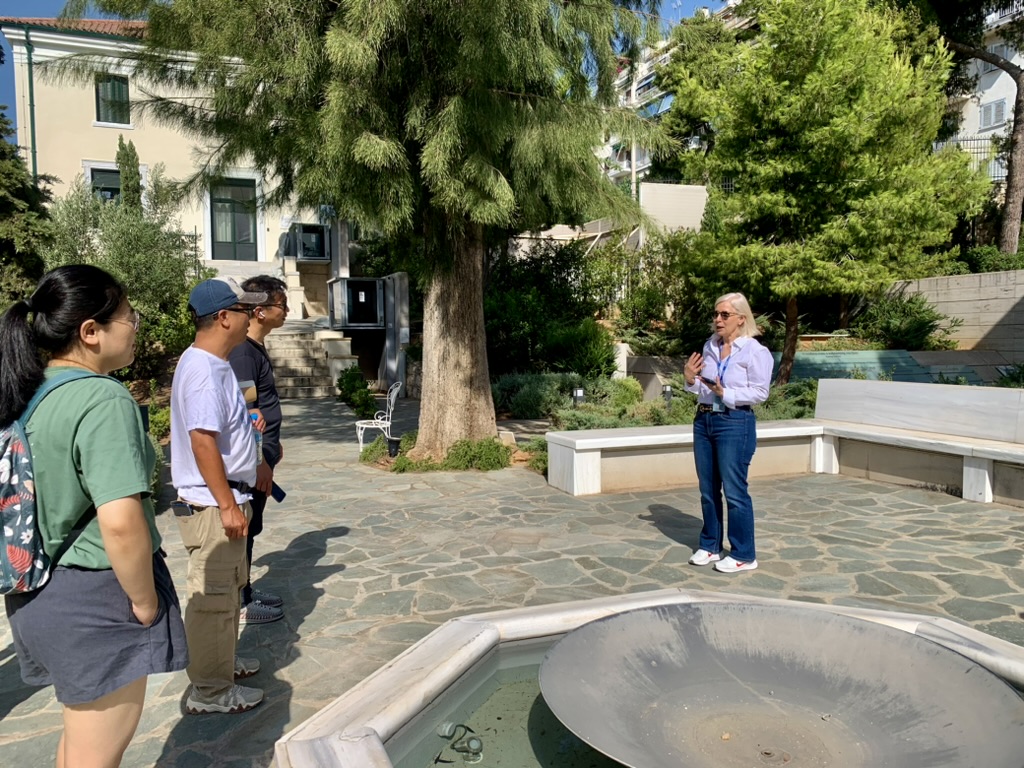
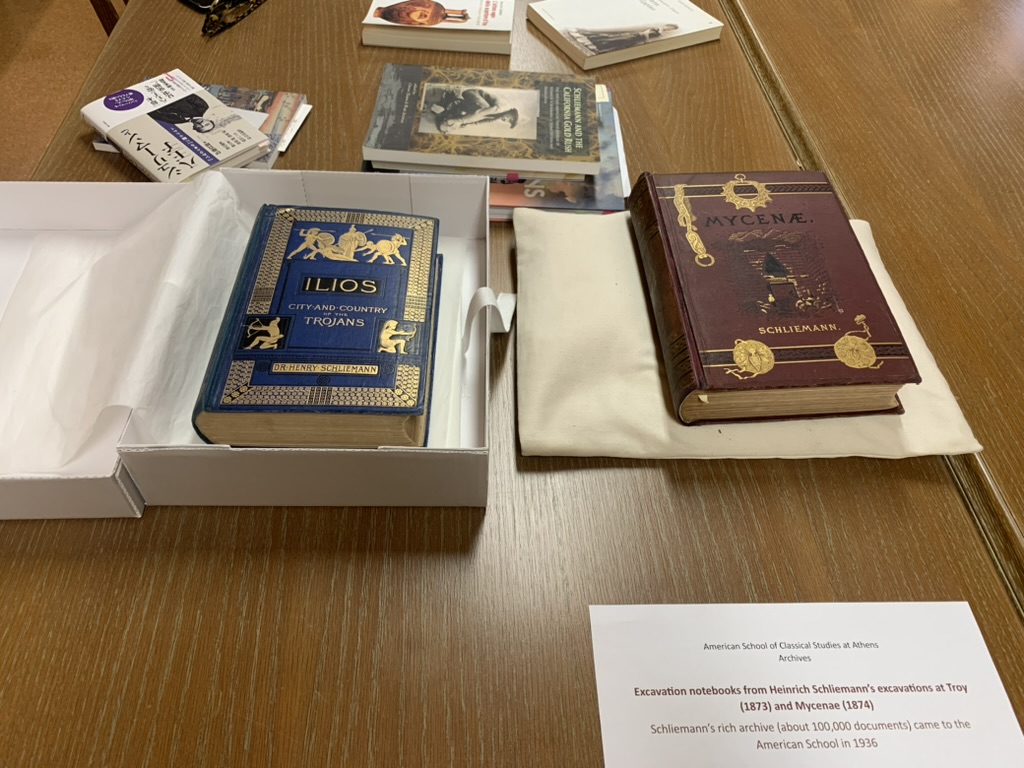
On the first day, Dr. Vogeikoff, the archivist of the American School, guided participants through the institution’s history and showcased valuable archival materials, including excavation diaries of the renowned German archaeologist Heinrich Schliemann and ancient maps of Athens. This was followed by a session at the Wiener Laboratory, where Dr. Michailidis discussed bioarchaeological research, illustrating how modern techniques analyze ancient human remains to infer age, gender, health, diet, and migration patterns, thereby reconstructing historical contexts.
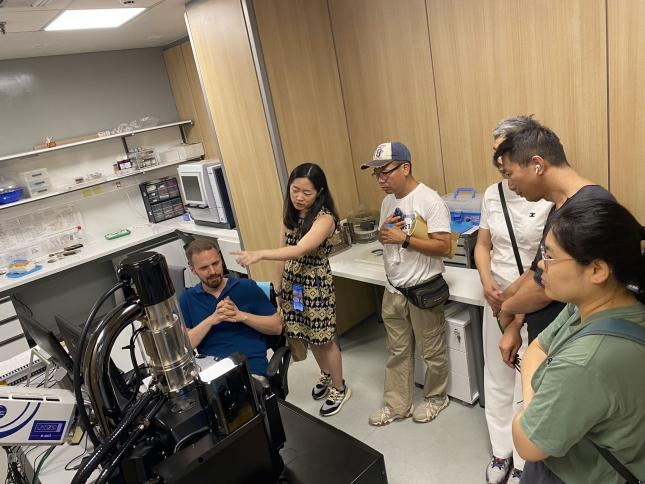
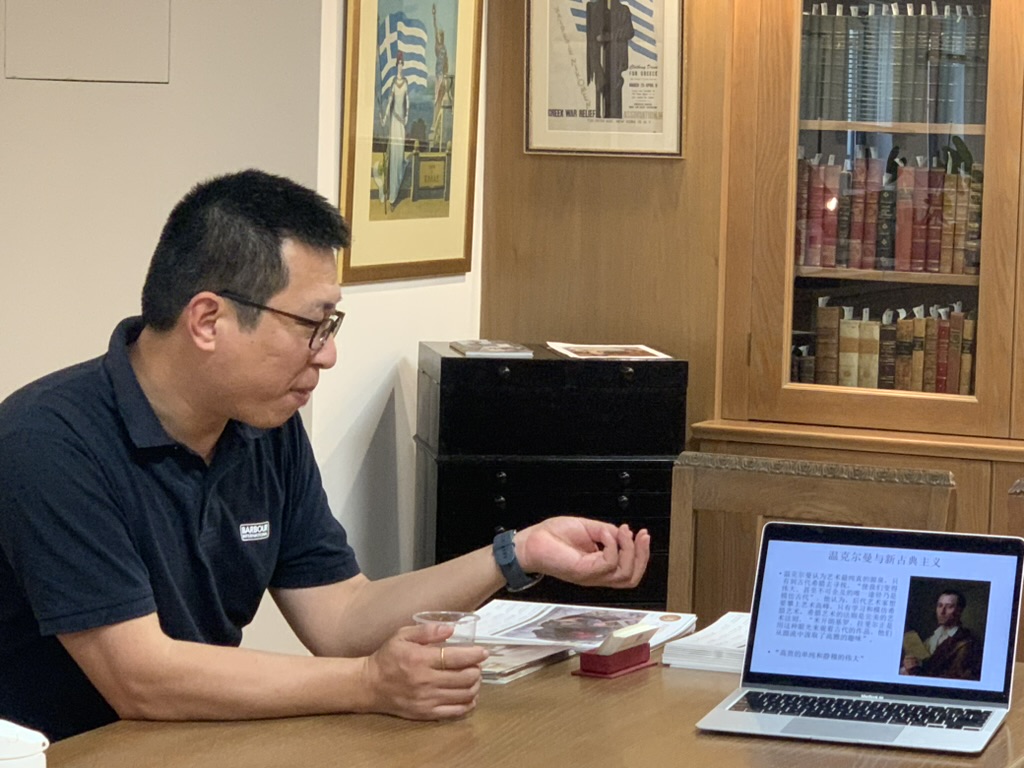
Subsequent sessions featured Dr. Kordatzaki from Crete, who presented her research on ancient pottery, demonstrating how mineral analysis traces trade links between the Greek mainland, the Cyclades, and Crete. Associate Professor Zhang Xuqian from Southwest University delivered a lecture on the classical tradition of Athens, exploring how 18th-century Western perspectives and Greece’s national identity intertwined with classical heritage. Dr. Kapouranis from the University of Athens and Uppsala University provided insights into marble sculpture appreciation, analyzing relief slabs from various periods and their religious significance.
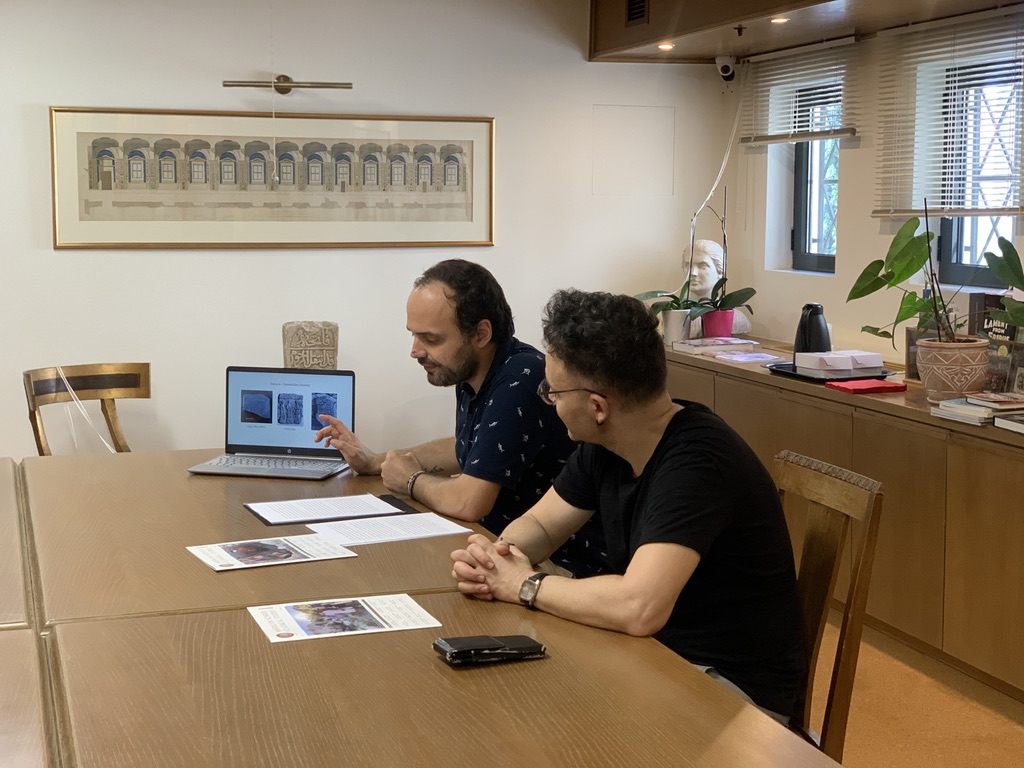
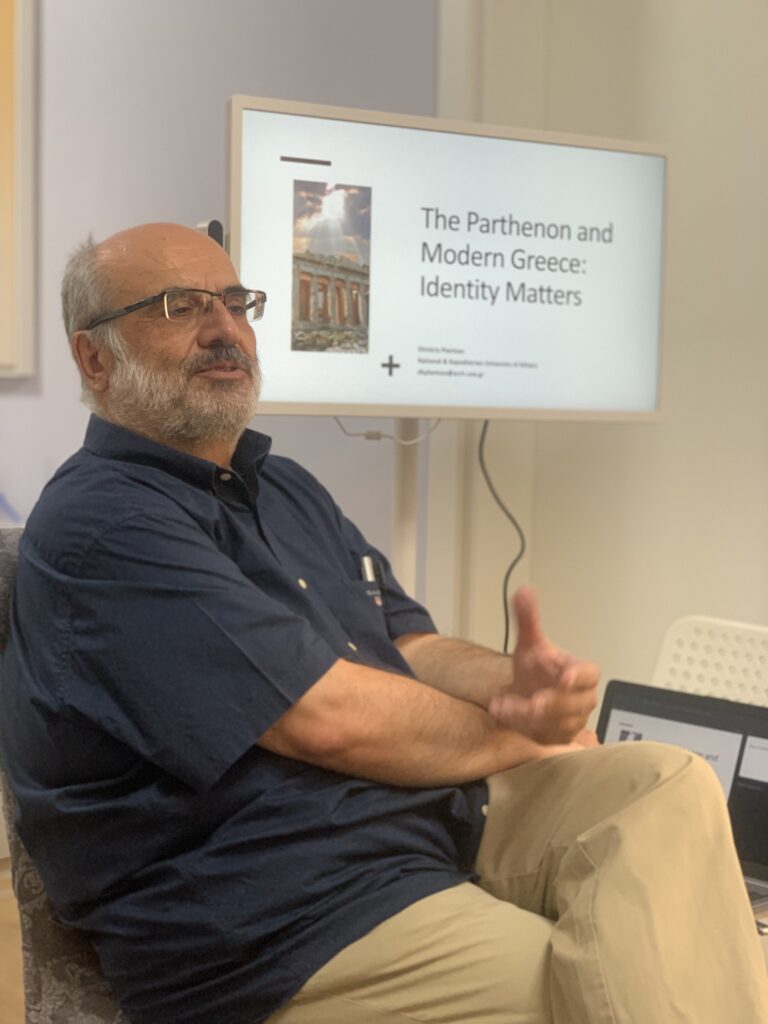
Professor Vavouranakis from the University of Athens delved into the history of archaeology, from ancient interpretations to modern developments, highlighting the integration of technology in archaeological research. Doctoral candidate Lyu Meilin discussed the management of Greek cultural monuments and artifacts, comparing operational models of various foreign archaeological schools in Athens and showcasing advanced monitoring techniques used in cultural heritage preservation. Professor Plantzos from the University of Athens examined the Parthenon’s role in modern Greek nation-building, illustrating its influence on Western art and architecture.
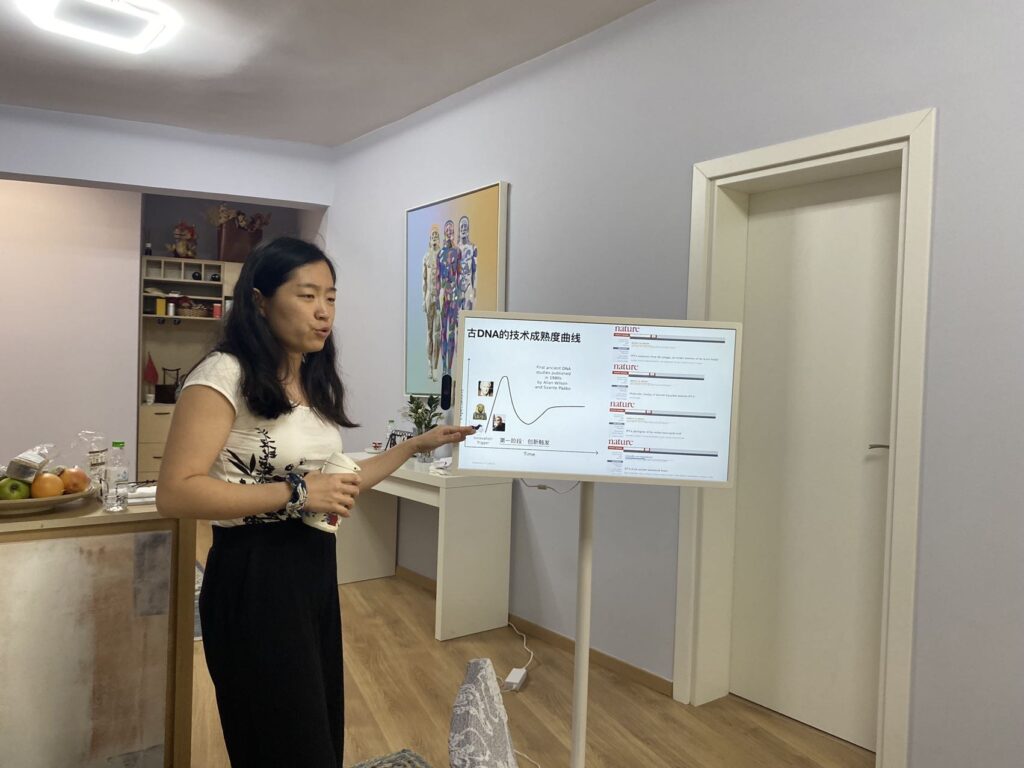
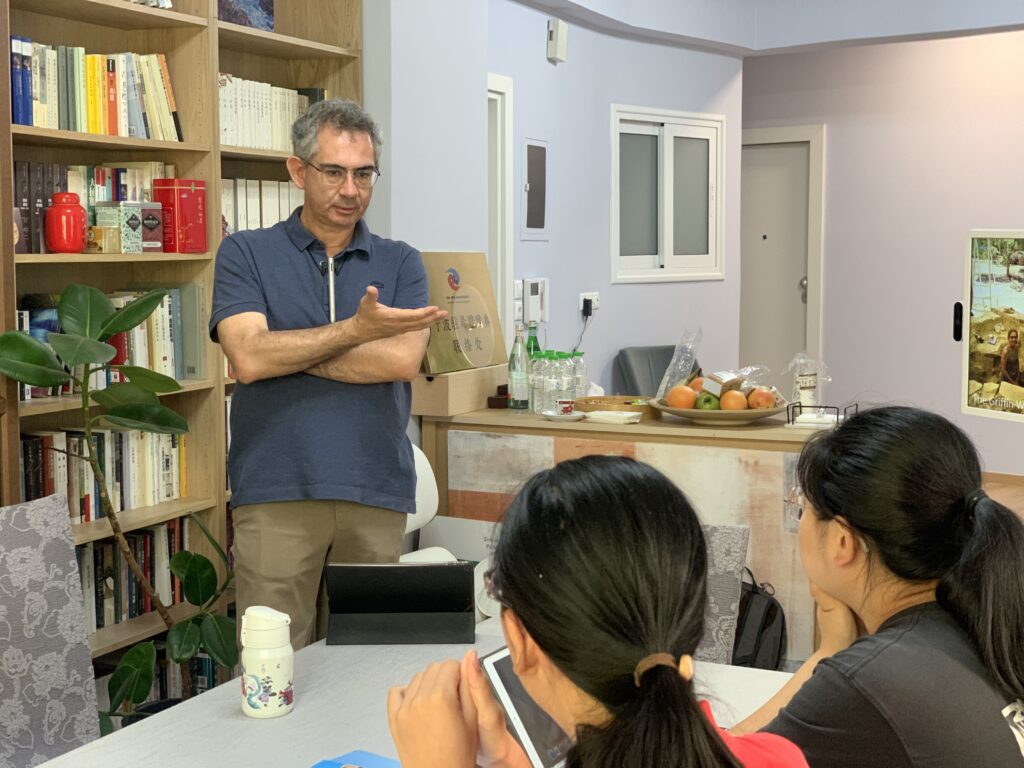
The course covered a rich spectrum of topics—from pottery and sculpture to politics, governance, excavation, and heritage monitoring—with instructors thoughtfully crafting content that combined academic depth with accessibility for a broad audience of learners and enthusiasts. Upon completion, participants received certificates signed by the teaching team. Many expressed enthusiasm for the program and anticipation for future sessions. The “Beauty in the Same Air” course was sponsored by the China-Greece Investors Association, with special thanks extended for their support.
For Chinese media coverage, please see:
What opportunities does the “Beauty in the Same Air” Summer School provide for participants to explore and compare the philosophical, historical, and archaeological traditions of ancient Greece and China?