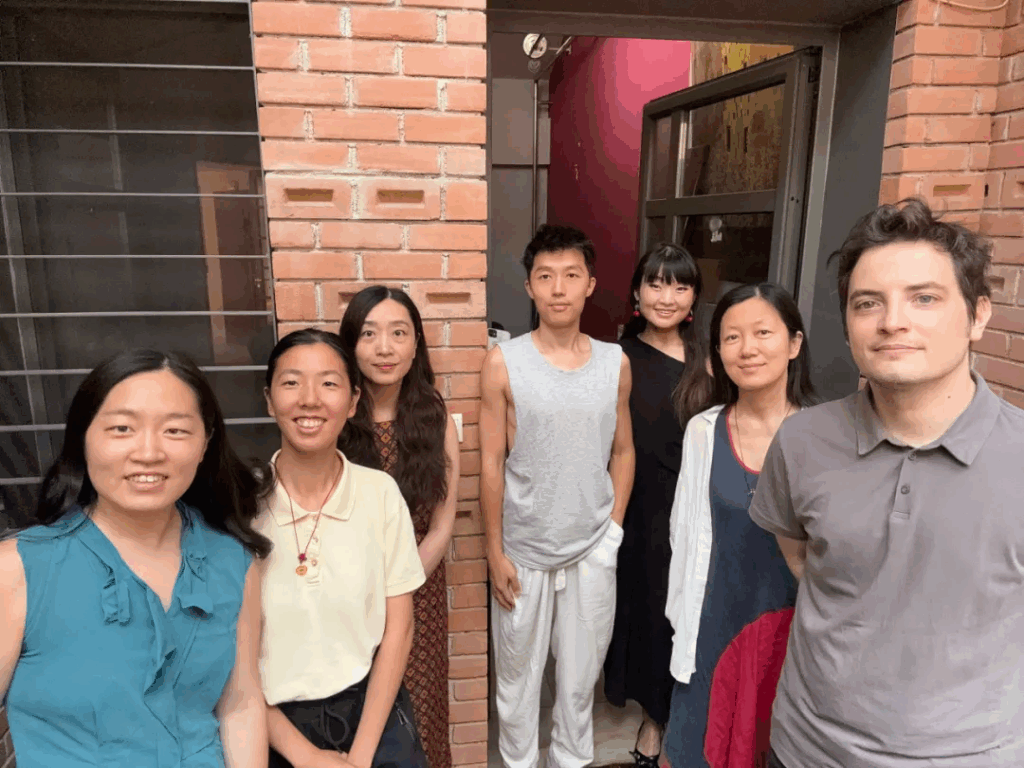
This year’s annual training course hosted by the Academy of Interdisciplinary Humanities and Archaeology in Athens (AIHAA) brought together an inspiring mix of participants from Mainland China and India, both in person and online. Over the course of an intensive program, attendees immersed themselves in a holistic exploration of Greek culture, spanning ancient philosophy, archaeology, history, arts, and contemporary politics, while engaging in a rare dialogue between Greek and Chinese traditions.
The program’s distinctive feature was its comparative approach, enriched by the contributions of six distinguished professors and scholars, each with a strong background in Chinese cultural studies. This convergence of perspectives allowed participants not only to learn about Greece in depth but also to view it through the lens of cross-cultural resonance.
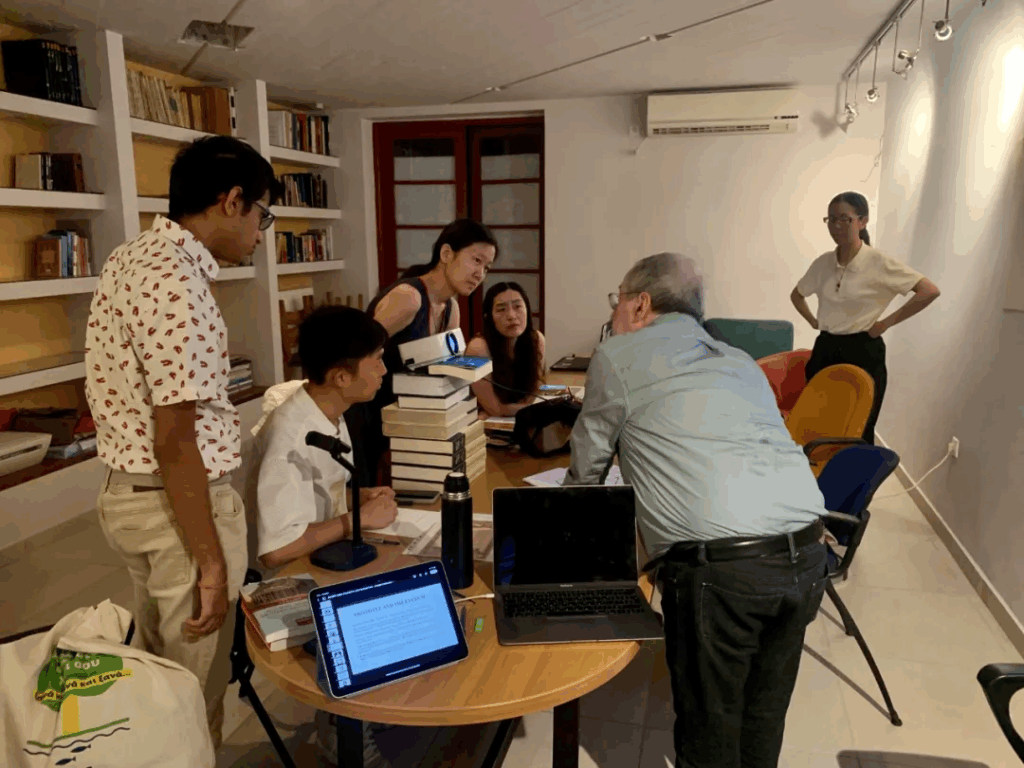
In the philosophy sessions, Professor Emeritus Stelios Virvidakis of the University of Athens guided students through the “four seasons” of Greek thought: the fertile beginnings of the Pre-Socratics; the brilliance of Socrates, Plato, and Aristotle; the reflective tone of the Hellenistic schools; and the mystical winter of Neoplatonism. Discussions revealed striking parallels between Heraclitus of Ephesus and Laozi, particularly in their conceptions of cosmic order, alongside vivid contrasts between the Greek pursuit of logos and the Chinese embrace of natural flow (ziran). Participants also engaged more in details of Socrates’ final defence in the Apology, and explored the fusion of Hellenic philosophy with Christian theology — a tradition still embedded in modern Greek thought.
The archaeology component, led by Professor Giorgos Vavouranakis, took a critical look at the evolution of archaeological science through the lens of Thomas Kuhn’s paradigm theory. Participants examined the colonial legacies of archaeology, the nationalist misuse of its narratives, and the potential of cross-cultural comparison. Richly illustrated case studies contrasted Liangzhu jade burials with Cycladic marble figurines, Mycenaean golden masks with the bronze masks of Sanxingdui, and explored shared and divergent technological traditions from Egypt, Crete, and Cyprus on stonewares. The discussions underscored the need for a balanced, human-centered approach to comparative archaeology in an age of globalization.
Modern Sino-Hellenic history and politics were brought to life by Dr. Yorgos Moraitis of the University of Crete and Dr. Yue Wu, a specialist in mid-20th-century diplomatic history. From Robert Hart’s role in Chinese customs to the Greek maritime presence in China after the October Revolution, and from Taiping Rebellion to Greece’s recognition of the Republic of China, these lectures uncovered rarely told stories that broadened participants’ understanding of shared historical landscapes.
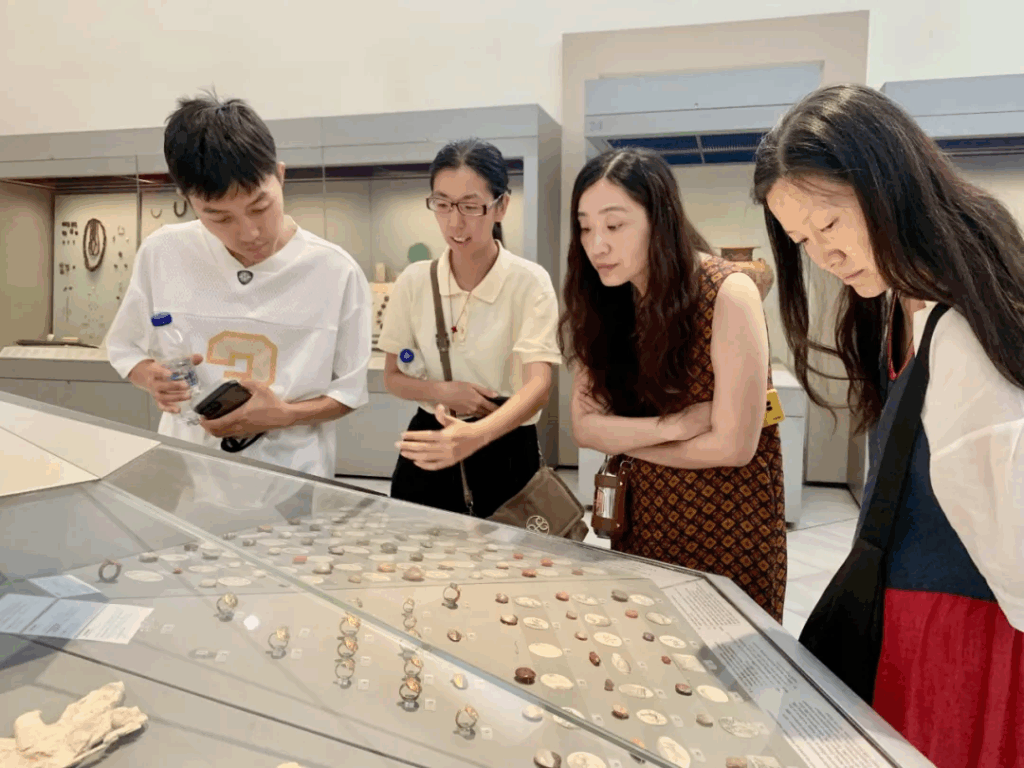
Beyond the classroom, guided by Meilin Lyu, the group walked in the footsteps of philosophers and statesmen, visiting Aristotle’s Lyceum and the Pnyx, pausing at the tomb of Kimon and the remnants of the Themistoclean Wall. They explored the Temple of Olympian Zeus, Hadrian’s Arch, and the treasures of the National Archaeological Museum. Excursions extended to UNESCO heritage sites — Ancient Corinth, Bronze Age Mycenae — and the monumental Early Christian Basilica of Lechaeum.
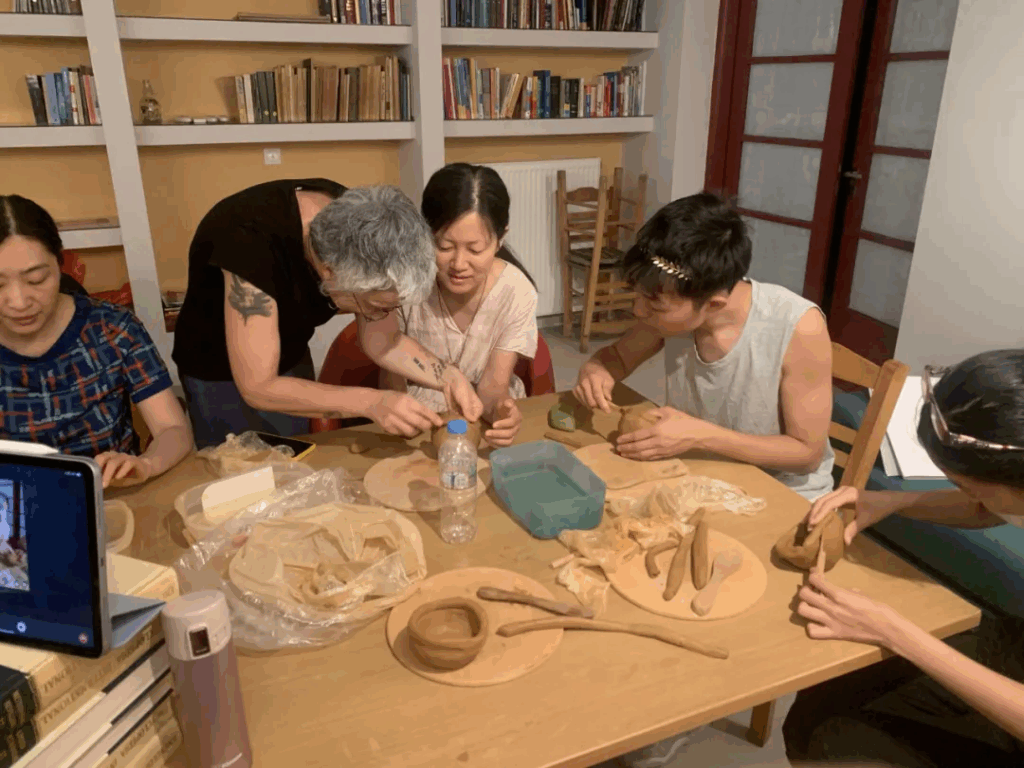
Hands-on learning came to the fore in a pottery workshop with Dr. Georgia Kordatzaki, where participants studied the mineral composition of ancient ceramics, practised pinching and coiling techniques, and compared the firing processes of Greek pottery and Chinese porcelain. These practical sessions deepened the connection between material culture and cultural history.
Throughout the course, participants shared their own research in peer sessions, debated artefacts in museums and at sites, and forged lasting intellectual connections. The program concluded with a visit to the protected Corinthian Gulf and a meal inspired by Asia Minor cuisine.
As AIHAA continues to collaborate with the University of Athens’ undergraduate program In the Archaeology, History, and Literature of Ancient Greece, it looks forward to building more bridges between Greece and the world. For further information, visit aihaa.edu.gr or contact info@aihaa.edu.gr.